


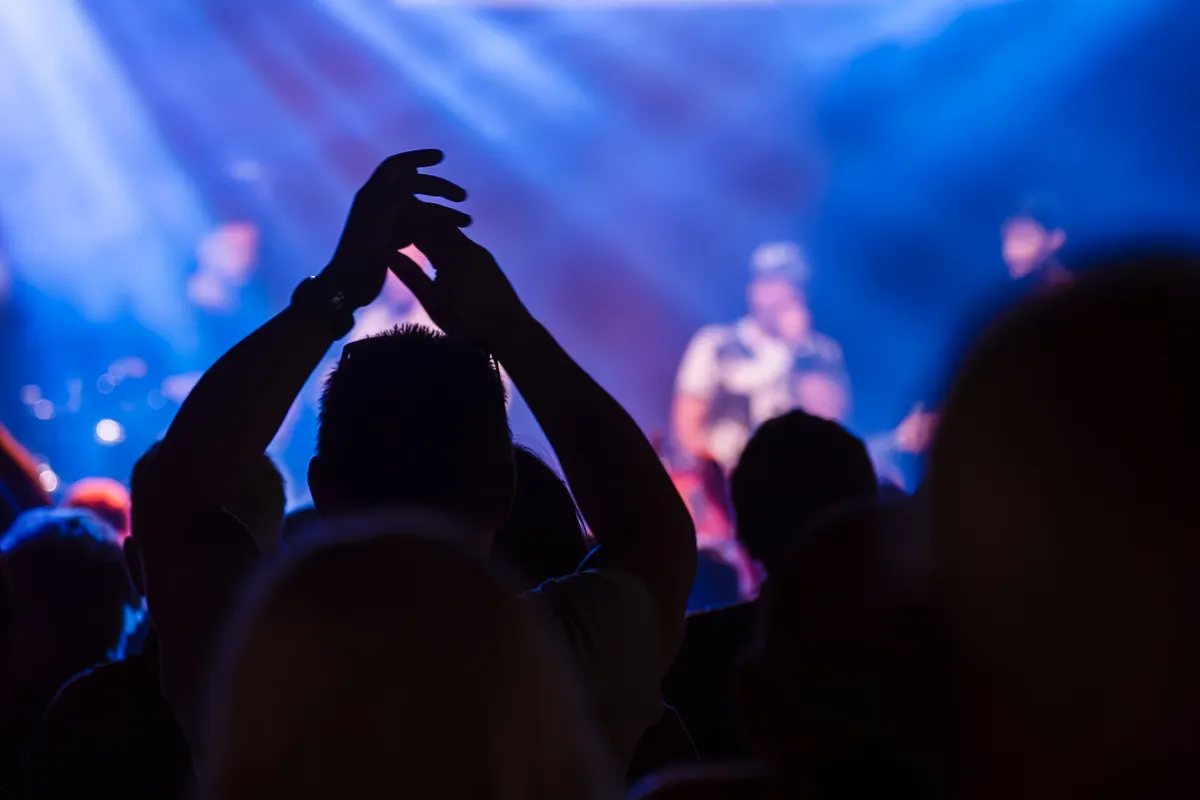
Nektar’s The Other Side (the band’s first album in years, built around original members and alumni) arrived as a genuine resurrection, but the road back to Germany is being blocked by a trademark dispute that co-founder Derek ‘Mo’ Moore says is costing them serious legal fees.
How Nektar The Other Side album came together
When lead vocalist and guitarist Roye Albrighton died in 2016, Nektar’s future looked genuinely uncertain. Albrighton had been a presence in the band’s line-ups since 1969, and his absence left a hole that seemed impossible to fill. Drummer Ron Howden, described by Moore as ‘the only constant in all line-ups since their inception,’ found himself holding the pieces together, until a disagreement with keyboard player Klaus Henatsch, who had been a sideman with the band since 2007, prompted Howden to walk away entirely.
Howden returned to the United States and contacted Moore. ‘Will you help me get a band together?’ Moore recalls him asking. ‘And I said, “Sure.”‘ Moore had last played with Nektar at the 2002 NEARfest and had since been running a construction company, from which he has retired. The call pulled him back in.
The reformed line-up reached out to guitarist and vocalist Ryche Chlanda, who had played with the band in 1978, alongside Randy Dembo, who had been with Nektar in the early 2000s and now also handles bass pedals and 12-string, and keyboard player Kendall Scott. Crucially, Moore also brought back Mick Brockett, the lyricist and lightshow man who first joined in January 1970. ‘Nektar was a music and light theatre,’ Moore explains. ‘The music was enhanced by the lightshow (it told the story) so it was a concept rather than a band.’
Much of the material on The Other Side originated from unused recordings dating back to 1978, extensively rewritten by the new line-up with fresh musical sections, ideas from studio jams, and new lyrics. The album was recorded largely live in the studio. One track, The Devil’s Door, opens with Albrighton’s guitar introduction taken from a reel-to-reel recording of a 1974 live show. ‘We feel that Roye was there with us,’ says Moore.
Thematically, the record deals with loss and the division between life and death, prompted by the deaths of Albrighton and the band’s live soundman Vinny Schmid. The title track runs to 18 minutes. ‘If you listen to the double album in the order that we have it you get a story,’ Moore says. ‘If you change the order around you get a different story. The other side is where Roye and Vinny now reside, and lots and lots of friends.’
The trademark fight threatening their return to Germany
Meanwhile, the question of who actually gets to call themselves Nektar in Europe is being fought out between lawyers. After Albrighton’s death, Henatsch’s camp released an album called Megalomania, initially announced as a Nektar release, though it eventually appeared under the name New Nektar. Their manager subsequently registered the Nektar name. Moore is blunt about it: ‘We’ve got a little problem with the other band who registered the damned name and are trying to stop us from going to Germany, which is not fun, but we’re trying to deal with that now.’
The situation has echoes of the case of Bonzo Dog Doo-Dah Band, who successfully complained to the UK Intellectual Property Office after a former promoter’s company registered their name. Moore is baffled by how the registration was approved at all. ‘How the German patent office didn’t look into what they were registering I have no idea,’ he says.
It is a frustrating situation for a band with deep roots in Germany. Nektar formed there, played the American military bases, made the country their home through the early 1970s, and occupied a singular position as an English band embedded in the krautrock scene, playing festivals alongside Amon Düül II, Karthago and Guru Guru. Their Billboard chart run in the US, Remember The Future hitting number 19 in 1973, Down To Earth reaching 32, Recycled reaching 89, gave them a transatlantic foothold, but Germany was always the spiritual home.
For now, Nektar are Prog report touring the US, with sold-out shows in St Louis reprising the city that once gave them three sold-out nights at the Ambassador Theater. Moore says the comeback was not planned so much as inevitable. ‘I didn’t expect to be doing it again but when I did, I had a vision of the band and when we started playing it just grew. And the album turned out so well, we had to go on tour with it. We had no option.’
