


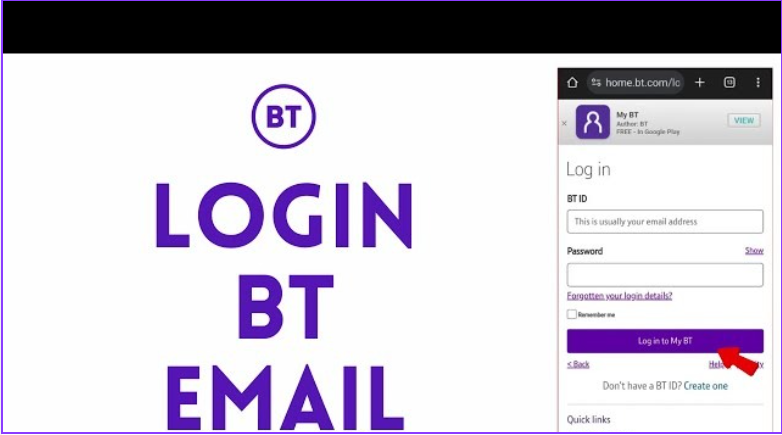
The Ultimate Guide to Logging in with Email: Best Practices, Security Tips, and Future Trends
In today’s digital landscape, logging in to online accounts has become login bt email a routine part of our lives. From social media to banking, almost every service requires a user to create an account, often involving an email address as the primary means of identification. This article explores the intricacies of logging in with email, including its advantages, security practices, challenges, and what the future may hold for this ubiquitous method of authentication.
Understanding Email Login
What is Email Login?
Email login is a method by which users access their accounts by providing their email address and a corresponding password. This straightforward process allows users to receive notifications, password recovery links, and account-related information directly to their inbox, making it a favored choice for many online platforms.
How It Works
The process typically involves the following steps:
1. Account Creation: A user provides their email address and creates a password when registering for a service.
2. Email Verification: Many platforms require users to verify their email addresses to confirm authenticity. This often involves sending a verification link to the provided email.
3. Logging In: To access their account, users enter their email address and password on the login page of the service.
4. Access Granted: Upon successful entry, the user gains access to their account.
Advantages of Email Login
1. Simplicity: Most users are familiar with email logins, making them easy to understand and navigate.
2. Universality: Email is a standard form of communication globally, making it accessible to a broad audience.
3. Recovery Options: If users forget their passwords, most services provide an option to reset it via email, adding a layer of convenience.
4. Two-Factor Authentication (2FA): Many platforms enhance security by allowing users to enable 2FA, sending a code to their email during the login process.
Security Considerations
While logging in with email is convenient, it comes with security risks. Here are key practices to ensure safety:
1. Strong Passwords
Using strong, unique passwords is the first line of defense against unauthorized access.
2. Enable Two-Factor Authentication
Enabling 2FA provides an additional layer of security. Even if a password is compromised, an attacker would need access to the second factor—often a code sent to the user’s email or mobile device.
3. Beware of Phishing Attacks
Phishing attacks are attempts to trick users into providing sensitive information, often through fraudulent emails. Users should be cautious about clicking links in emails from unknown sources and verify the sender’s address.
4. Use a Password Manager
Password managers can generate and store complex passwords, reducing the likelihood of reusing passwords across multiple sites, a common security risk.
Common Challenges with Email Logins
While the email login process is generally straightforward, users may encounter several challenges:
1. Forgotten Passwords
It’s common for users to forget their passwords, leading to frustration and potential account lockouts. While most services offer recovery options, the process can be cumbersome if access to the email account is also compromised.
2. Email Inaccessibility
If a user cannot access their email account (due to hacking, forgetting the password, etc.), regaining access to linked accounts can be difficult.
3. Spam and Security Notifications
Users often receive numerous emails, including spam and promotional content, which can lead to missed important security notifications or account updates.
4. Account Hijacking
If an email account is compromised, attackers can reset passwords for linked accounts, gaining unauthorized access.
Best Practices for Secure Email Logins
To mitigate the risks associated with email logins, users can adopt the following best practices:
1. Verify Email Security
Ensure that the email provider uses encryption and offers strong security features. Providers like Google and Microsoft offer robust security measures.
2. Monitor Account Activity
Regularly check account activity for any unauthorized access. Many services provide an activity log showing the recent login history.
3. Be Cautious with Public Wi-Fi
Avoid logging in to sensitive accounts over public Wi-Fi networks, as these can be vulnerable to interception.
Future Trends in Email Logins
As technology continues to evolve, the way we log in and authenticate accounts is also changing.
1. Password less Authentication
The industry is gradually moving toward password less authentication methods. Techniques such as biometric verification (fingerprints, facial recognition) and magic links sent via email or SMS may replace traditional password logins, making the process more secure and user-friendly.
2. Artificial Intelligence in Security
AI and machine learning algorithms are increasingly being integrated into security protocols to detect and prevent unauthorized access. These technologies can identify unusual login patterns and alert users to potential breaches.
3. Decentralized Identity Management
Blockchain technology may play a role in decentralized identity management, allowing users to have greater control over their personal information. This approach could reduce the reliance on email logins and enhance privacy.
4. Enhanced Personalization
As services become more tailored to individual user preferences, login processes may evolve to incorporate adaptive authentication. This means that the system could adjust security measures based on the user’s behavior, such as their typical login location or device.
Also Read : Amazon Music Subscription
Conclusion
Logging in with email remains a prevalent and practical method for accessing online accounts. While it offers numerous advantages in terms of simplicity and accessibility, users must also be vigilant about security risks. By implementing best practices and staying informed about emerging trends, users can enjoy a safer online experience.
As technology progresses, the landscape of digital authentication will continue to evolve. Passwords may eventually become a relic of the past, replaced by more secure and user-friendly methods. However, for now, logging in with email remains a cornerstone of our online interactions, and understanding its dynamics is crucial for anyone navigating the digital world. Embracing security measures and staying aware of potential threats will empower users to protect their digital identities effectively.
