


The reception desks are quieter now in many British office buildings and the silence is not always a bad sign. A few years ago a busy lobby meant success and importance and scale. Today it can mean inefficiency and wasted rent. Property managers I have spoken with describe a different measure of health which is how often space is reconfigured and how frequently teams rotate through it. The Future of Office Spaces in the UK is less about size and more about motion.
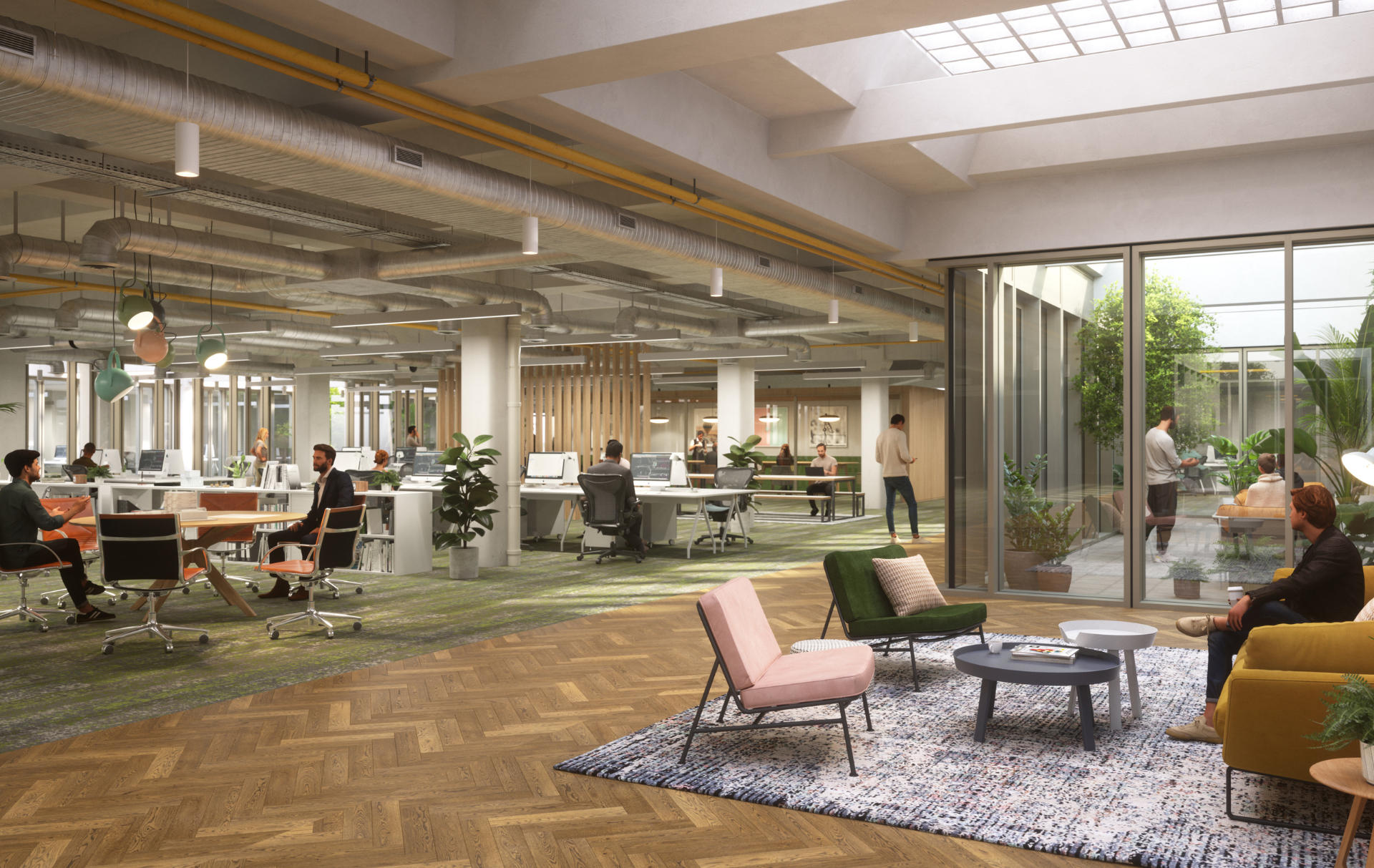
Across central London there are floors that once held rows of assigned desks that now look like adaptable studios. Chairs are lighter. Tables are on wheels. Storage is thinner. The most expensive square footage is no longer reserved for corner offices but for shared project rooms with strong video screens and good soundproofing. Flexible workspace has moved from startup fashion to corporate strategy and even conservative firms now keep a portion of their footprint unassigned.
In Manchester I visited a refurbished mill where three different companies share a single reception and a shared cafe area. Their logos sit on small movable plaques rather than fixed brass signs. The building manager told me that tenants now ask first about lease exit terms and only later about the view. That would have sounded strange a decade ago when long leases were treated like proof of stability. Now flexibility itself is seen as stability.
UK office trends show that hybrid work did not fade after its first wave. It settled into routine. Most medium and large employers accept that attendance varies by team and by week. This unpredictability has forced a redesign of space planning. Sensors track usage. Meeting rooms are booked in tighter slots. Some companies close entire floors on Fridays and redirect staff to one level to cut energy costs. The old five day uniform pattern is rarely assumed anymore.
Landlords have had to learn hospitality faster than they expected. Office buildings now advertise lounges wellness rooms podcast booths and bookable event areas. One West End building hosts a weekly breakfast market in its atrium with local food vendors. The idea is simple which is to give people a reason to show up that is not just a desk and a screen. It feels less like corporate real estate and more like a managed social club.
There is also a quiet divide forming between prime and secondary buildings. Newer or deeply renovated offices with strong ventilation natural light and low energy systems attract steady interest. Older stock without upgrades sits longer on the market or accepts flexible workspace operators as anchor tenants. This is not just aesthetic preference. Energy pricing and environmental reporting rules are pushing companies to choose buildings that help their compliance story.
Flexible workspace providers have matured as well. Early coworking sold a sense of community and speed. The newer model sells privacy on demand. Large operators now offer lockable suites inside flexible centers so firms can expand and contract without moving addresses. Some enterprise clients maintain a small core headquarters and distribute the rest of their staff across flexible sites near where people live. Commute time has become a real estate variable rather than a personal problem.
I remember standing in a nearly empty Canary Wharf tower at nine in the morning and feeling a brief jolt of disbelief at how quickly norms can evaporate.
Technology is shaping layout decisions in subtle ways. Better video conferencing has reduced the need for large boardrooms but increased demand for small two or three person rooms with perfect acoustics. Secure network access allows firms to operate across multiple smaller hubs rather than one large block. Access control is now often phone based which makes shared buildings easier to manage without heavy staffing at the front desk.
There are cultural adjustments too. Managers used to measure commitment by presence. Now they measure it by responsiveness and output which changes what the office must support. Space is designed for collaboration and mentoring rather than silent individual work. Quiet tasks are assumed to happen at home or in smaller focus rooms. Offices are becoming stages for interaction rather than containers for labor.
Regional cities are gaining from this shift. Birmingham and Leeds agents report that some London based firms are opening smaller satellite offices rather than expanding their capital footprint. Talent follows affordability and lifestyle. A flexible workspace in a regional city can act as a test lab before a company commits to a larger move. This pattern would have been considered risky before but now it is treated as prudent experimentation.
Design details reveal the new priorities. More sofas but fewer filing cabinets. More power outlets in casual areas. More writable walls. Even the smell has changed with better air systems and fewer paper archives. People notice these things even if they do not name them. Workers talk about whether a space feels alive rather than whether it looks impressive.
Not everyone is comfortable with the change. Some employees miss the certainty of a personal desk and the small identity markers that came with it. Some executives worry about diluted culture when teams rotate in and out. The compromise many firms choose is partial assignment where core teams keep a base area while shared zones float around them. It is an architectural negotiation with psychology.
Investors are watching closely. Flexible workspace once looked like a niche layer on top of traditional leasing. Now it is becoming a core component of portfolio strategy. Mixed lease structures spread risk. Shorter terms allow faster repricing. Buildings that can support multiple layouts attract more diverse tenants. Adaptability is now a financial feature.
What is emerging across the UK is not the death of the office but its editing. Excess is being cut. Ritual is being questioned. Flexible workspace is no longer a temporary fix but a design principle. The offices that survive and thrive will be the ones that accept uncertainty as a constant and build for it in furniture in contracts and in mindset.
