


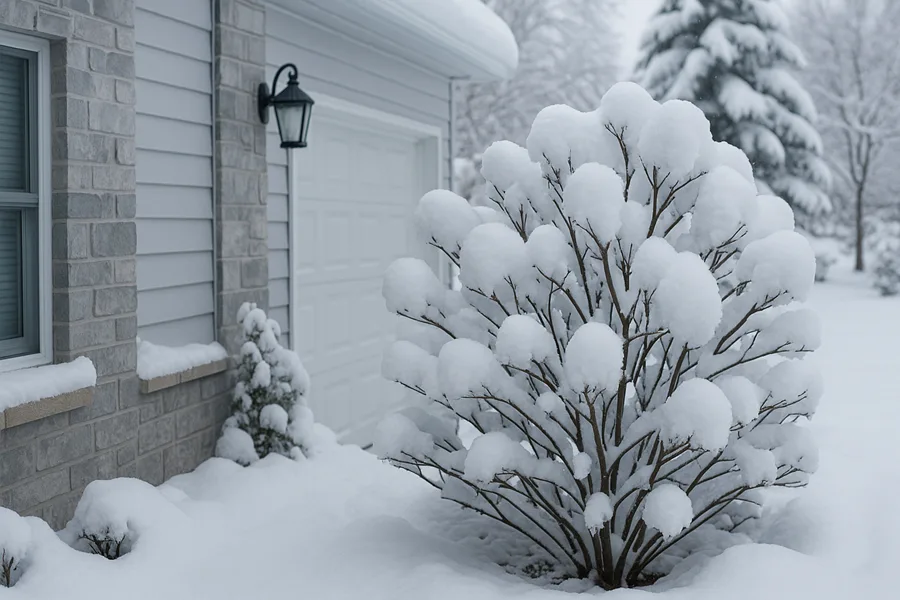
Winter in the UK has a way of arriving quietly, then asserting itself with sharp frost or sudden storms. Even in cities, the first chill can reveal draughts in windows, gaps under doors, and heating systems that hum but struggle. For homeowners, the season is as much a test of preparation as it is of patience.
Begin with the obvious, though it’s often delayed: your heating. Boilers should be serviced before the cold sets in, ideally in late autumn when engineers are still available. Checking radiators for trapped air and bleeding them can make a real difference. I remember one November morning, the radiator in my living room hissed stubbornly while frost gathered on the windowpane—it was a small, inconvenient reminder that ignoring maintenance carries consequences.
Insulation matters more than many assume. Loft spaces often hold the heat hostage, so topping up or replacing worn insulation is crucial. Draught-proofing doors and windows, even with simple weather strips, reduces the sense of cold seeping through walls. Those invisible leaks quietly inflate energy bills, and in some older UK houses, the difference can be substantial.
Pipes demand attention, too. Burst pipes are more than a minor inconvenience—they can flood hallways and damage flooring. Wrapping exposed pipes with foam or insulation sleeves, particularly in unheated areas like garages or lofts, is a preventive measure that’s worth the effort. For homeowners who leave the heating off at night, consider a frost thermostat; it’s a small device, but it can stop disaster before it starts.
The exterior of a house is the first line of defence against the weather. Gutters often clog with autumn leaves, leading to water pooling and eventual leaks. Inspecting the roof for missing slates or cracked tiles might seem tedious, yet a few loose tiles can let in rain that seeps into walls and ceilings. Chimneys, too, need a check-up. Even if you don’t use a fireplace often, the structure can harbour nests or loose mortar that worsen under winter conditions.
Windows and doors deserve a second look. Beyond draught-proofing, check seals and locks. Wooden frames in particular can swell or warp with dampness, so minor repairs now prevent larger replacements later. Curtains, too, play a subtle but effective role. Heavy, lined curtains help retain heat in rooms, while blinds can reduce cold air reaching the interior.
Outdoor spaces are often neglected. Paths and driveways should be cleared and treated for ice where necessary. Garden taps need draining to avoid frozen pipes, and any outdoor furniture or equipment should either be stored or covered. High winds, which can sweep across exposed UK fields or coastal towns, may tip over lightweight items and cause damage that feels disproportionate.
Inside, think beyond heating. Emergency supplies—torches, batteries, and blankets—can save a household from discomfort if power fails during a storm. Stocking up on essentials like food and water, even for a day or two, avoids last-minute panic when supermarkets get crowded. I once found myself staring at empty shelves during an early snow, recalling just how quickly disruption spreads in familiar streets.
Lighting and electrical systems also deserve attention. Check that extension leads aren’t overloaded, and that outdoor lights are functioning before the nights lengthen completely. Cold weather can exacerbate hidden electrical issues, and catching them early is safer than waiting for a fuse to blow in a blizzard.
Attention to minor details matters, too. Door mats to stop wet shoes, rugs to insulate cold floors, and simple moisture absorbers in damp corners all contribute to a sense of readiness. These small interventions often feel unremarkable at the time but add up over a long winter, subtly maintaining comfort and preventing wear.
Reflecting on my own preparation, I sometimes underestimate how much each small task—the gutter cleaned, the pipe wrapped, the door draught-proofed—adds to a season of quiet confidence. Winter readiness is a series of small bets that pay off not in spectacle, but in comfort and calm.
For those with elderly relatives or vulnerable neighbours, winter prep extends beyond personal spaces. Sharing tips, checking heating systems, or simply ensuring someone can clear pathways creates a network of resilience. Community awareness often matters as much as individual action; the weather does not discriminate, but human care can mitigate risk.
Finally, revisit and monitor. No checklist is complete if it’s left on the fridge until the first frost. Walk through rooms, inspect exterior features, and adjust heating schedules. A home that is weather-ready in the UK is not just a shelter, it is a dynamic system responding to shifting conditions, often more subtly than a homeowner realises.
Winter comes each year, reliably unpredictable. Those who prepare early, with attention to the small but consequential details, discover that the season can be endured—and sometimes even enjoyed—without the anxiety of avoidable mishaps. A little foresight, a touch of diligence, and a mind for weather readiness make all the difference when frost bites and storms arrive without fanfare.
