


I first learned the hard truth about value during a late spring afternoon in Bristol, watching a friend repaint his entire house’s exterior. I thought the drop cloths, rollers, and liveried cans of neutral paint were a bit trivial. Then he told me the local agent had specifically praised the house’s refreshed look when it went on the market. The difference? A buyer’s reaction in the first 30 seconds.
Real estate agents often say the devil — and the delight — is in the details. In the UK property market right now, where values swing on sentiment as much as square footage, budget‑friendly home upgrades increasingly matter. They aren’t glamorous extensions or dramatic loft conversions; they’re the work that greets you at the front door, makes a room feel coherent, and signals to a potential buyer that the house has been cared for. Some of these upgrades barely dent a wallet, and others require a few thousand pounds. Yet each has a practical, measurable effect on desirability.
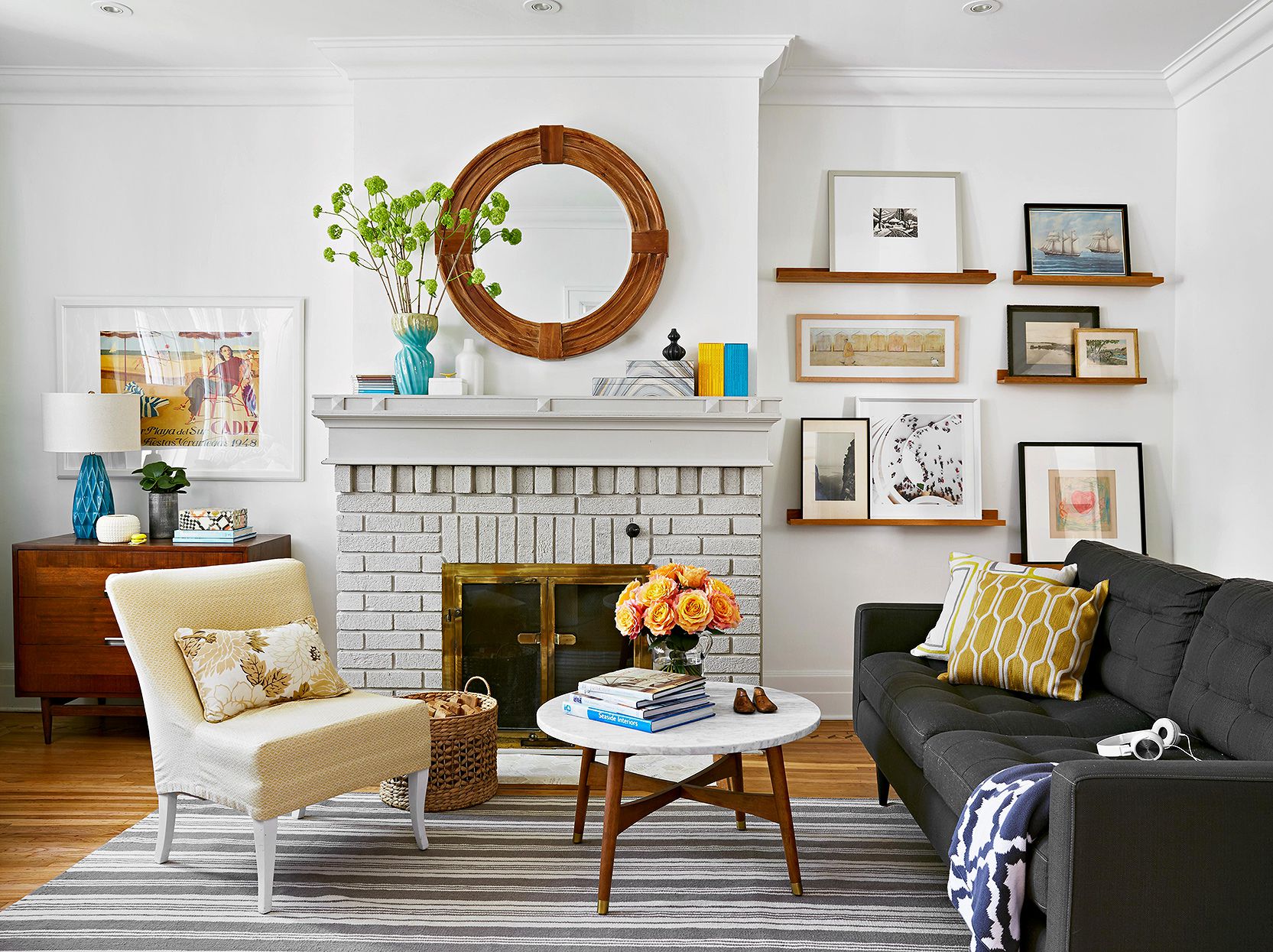
Painting walls and woodwork often sits at the bottom of an improvement wish list — until you see the difference a fresh, neutral palette makes in photographs and viewings. It’s not expensive, especially if you tackle it yourself, but it changes perceptions. Walls that once felt dated or dark become a kind of blank slate for buyers’ imaginations. A tidy lawn or well‑edited garden bed does something similar outside: it suggests order and care, and that can translate into tens of thousands of pounds in perceived value relative to disorder.
Budget doesn’t always mean tiny. Upgrading fixtures, lighting, and surfaces in the kitchen can be surprisingly affordable if you focus on what buyers notice most. New cabinet doors, worktops, and even brighter lighting can make a kitchen feel fresher — and that sentiment matters as much as the square footage. Many buyers will forgive an older boiler or dated floor if the room feels clean and purposeful. These modest kitchen investments often yield returns not by adding square footage, but by improving the story a home tells about daily life.
Bathrooms play a similar role. A slick, clean, modern bathroom signals to a buyer that the home is well‑maintained. Underfloor heating or walk‑in showers can be aspirational features, but even simple upgrades — tidy grout lines, new taps, neutral tiling — help prevent depreciation. If the bathroom feels stuck in the last decade, buyers often “downgrade” their whole image of the house in their mind’s eye.
Some of the most impactful improvements happen outside of walls and floors. Energy efficiency features — double‑glazed windows, improved insulation, and smart heating controls — not only reduce utility costs but increasingly matter to environmentally conscious buyers. These measures are not strictly about looks, but they feed into a sense of comfort and practicality that many buyers are now unwilling to compromise on.
Then there’s curb appeal and practical additions like off‑street parking. In many urban and suburban areas across the UK, finding a parking space is a daily headache, and a dedicated driveway can substantially elevate a property’s attractiveness. It might cost a few thousand to install a gravel drive or formalised parking area, but that tangible convenience can make a house stand out in a crowded market.
In conversations with homeowners, a recurring theme emerges: value is as much about emotion as numbers. People react to light, flow, and first impressions more than we often acknowledge. A neutral facade, a freshly painted front door, and a well‑kept garden can make a prospective buyer feel, almost unconsciously, that this is a “place to settle.” A few years ago, I watched a couple decline a lovely house because the garden was an overgrown tangle — and later bid on a less perfect house with a trimmed hedgerow and tidy lawn. First impressions linger.
There’s a strategic side too. Think of upgrades like a conversation with the market. You don’t have to answer every question — just the ones buyers are asking most loudly in your area. If most homes nearby have modern kitchens, an older one can feel like a negotiation hurdle. If yours stands out with clever storage, brighter surfaces, and thoughtful finishes, that’s an advantage. It’s not always about spending big; it’s about spending wisely.
I remember interviewing an estate agent in a commuter town just outside London who said something that stuck with me: “People buy lifestyles as much as properties.” That rings true. A tidy garden suggests summer evenings; neutral walls hint at room to breathe; a fresh bathroom signals comfort after hard days at work. The emotional architecture of a home — how it feels when you step inside — is often what nudges offers upward.
Of course, bigger projects like loft conversions or extensions can add significant value too, especially when they genuinely increase usable space. But for most homeowners watching budgets, those are the exceptions rather than the rule. The more modest, budget‑friendly renovations often deliver the most immediate and noticeable returns relative to cost.
If you’re weighing where to start, think about visibility and impact. Start with the things buyers interact with most: kitchens, bathrooms, entrance points, and outdoor spaces. Fix what looks broken, refresh what looks tired, and enhance what already works well. The result may surprise you — not just in pounds added on paper, but in the quiet confidence of a home that feels ready to be lived in and loved.
